
There are a number of different methods of Carpenter Bee Control, all of which are effective and environmentally friendly. Pesticides that kill Carpenter Bees by eating their larvae may be an option if you have concerns about Carpenter Bee infestations. Garlic powder is one of these methods and is known to be much more effective than other treatments. Another method is Boracare, which is applied directly to the wood and acts as a repellent and indigestible to wood-destroying insects.
These bees can be killed by spraying the void with insecticides. However, it is important to remember that this method is not permanent. The bees will likely return again after several weeks, so you may have to repeat the treatment in the early spring. Using steel wool to plug holes can help prevent new bees from entering. You should then plug the holes with wood patch material.
There are several sprays and insecticides available for use on wood. Some of these contain pyrethroid insecticides, which are known to be highly toxic to bees. If you are able to determine the specific species of bees, you may consider applying an insecticide to prevent the insects from nesting in your woodwork. Boric acid is toxic to carpenter bees and will effectively exterminate the bees within an hour. Be sure to read and follow all safety precautions.
Understanding how carpenter bees build their nests is essential to catching them. These bees will often make tunnels for the females to lay their eggs by digging holes in soft woods. The best way to trap them is to use bait and a premade tunnel system. Carpenter bees will not enter a trap if they cannot find the entrance through the hole.
You will need a 2-liter empty bottle, a utility knife, and a stapler to make sandcastle carpenter bee bait. You can also use a knife or scissors. Use a utility knife to cut the bottle along its top, approximately 5 inches from its bottom. Flip the cut piece over and place it inside the other half. The bees will be attracted to the bait and will be trapped.
The next step is to make a carpenter bee trap. You will need a scrap piece of wood measuring approximately 4"x4" to do this. Four holes will be needed in the block. Each hole should be angled towards the center. You will then need a large hole in the middle of the block. The hole should be large enough to allow the bees in. A piece of wood should be placed over the block.
You can use wood or drywall screws to create a bug deterrent, in addition to a simple trap. A bottle with a lid can be mounted anywhere. If the dead bees aren't killed, it will attract new bees. If you don't intend to use bait, traps should be avoided. If you catch a bee in your house, you should remove it as soon as possible.
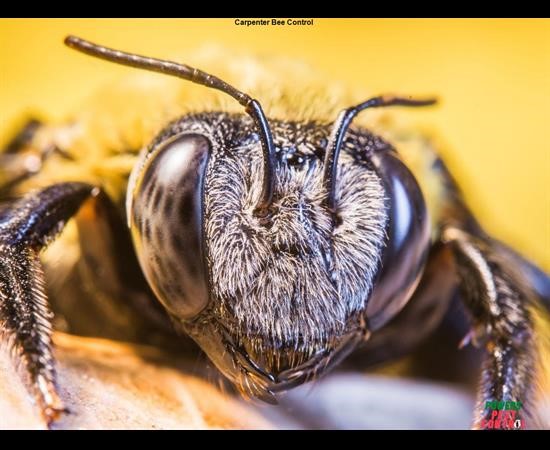
Have you ever wondered "Why do carpenter honeybees hover in the same place?" You're not the only one. These bees can be found on trees, fence posts, windows frames, and other places. These bees are not like other types of bees. They don't have colonies nor nests. They create individual galleries in wood that are four to six inches deep. These galleries are reused and can stretch for several feet.
Male carpenter bees patrol their small territory, which is about 60 feet around the food plant and nest. When disturbed, the males chase insects and other bees away, but they rarely attack humans. Only the dark-faced female carpenter bees sting humans. It is important to remember that male carpenter honey bees are harmless. However, you should keep your distance from them and not touch them.
Carpenter bees do not live in colonies. They live in individual nests and overwinter in brood tunnels. They emerge from their winter tunnels in the spring and excavate a new tunnel where they lay their eggs. A round entrance hole is made on the wood's surface where the female will lay her eggs. The eggs hatch in about five or six chambers and are laid within the newly excavated nest.
The nesting area isn't as dangerous as you might think. If you see several large carpenter bees in the same area, it is usually an indication that there is a nest nearby. If the bees are hovering near a wood structure, a hole with a half-inch-diameter will be obvious. Wood dust may appear below the entrance hole.
Here are some products that repel carpenter honey bees. Citrus oil is a natural insect repellent that carpenter bees absolutely hate. A mixture of lemon juice and lime can be used to repel insects. Alternatively, you can buy citrus spray. Simply boil the peels of two citrus fruits in a gallon of water and then spray the mixture every few days. It will keep carpenter bees away from your furniture and other structures, especially play sets.
Another common insect repellent is lavender. The scent is so offensive to bees that you can hang them in clothing or nylon. You can also place lavender around the area where carpenter honey bees live. Lavender repels many pests. The scent is especially effective when applied around nests. Planting lavender is also effective. If you don't have any natural plant-based repellents, consider purchasing an essential oil that repels carpenter bees.
The rinds of citrus fruits are a natural repellent. Boil the rinds in water and spray them on the area where they live. Another effective repellent is almond oil, which contains Benzaldehyde, which carpenter bees hate. You can mix it with jojoba oil for a spray that will repel carpenter bees from your home.
Vacuuming works well when a nest is new and not too deep. It won't get larvae, however, so seal it well once you have removed the adults. You can also make your own carpenter bee spray. However, remember to protect yourself when handling chemicals or disturbing insect nests. Don't try to spray the area by yourself! You could end up getting a sting from the carpenter bees, and you'll never know.
If you are a homeowner who is attempting to protect your woodworking from carpenter bees, you may be wondering: What kind of vinegar kills them? This article will address this common question and give you some tips to kill them without harming your woodwork. While vinegar is a powerful repellent, it is not a panacea. Some natural products are also effective in killing carpenter bees. Diatomaceous earth is one of these natural products. It is low in toxicity and effective as an insecticide.
Garlic powder is another option for killing carpenter honey bees. This powder has been proven to be effective against these insects for many years. As they can be dangerous to the environment and humans, fungicides and insecticides are not long-term options for preventing carpenter honey bee infestations. Another way to get rid of carpenter bees is to apply Boracare, which is applied directly to the wood. Boracare is an excellent insect repellent that also renders wood indigestible to wood-destroying insects.
When using vinegar as a repellent, you must mix it thoroughly and shake it well. You can also add essential oils like lavender, tea tree, or almond oil to the mixture, which increases its potency and kills carpenter bees on contact. The solution should be applied twice daily and should remain in place for approximately two weeks to kill the bees.
Carpenter bees are a major problem around the home. These solitary bees build their nests underground or in rotting logs. If you're plagued by this invasive species, WD-40 is an effective repellent. These are the steps to get rid of carpenter honey bees.
Aerosol carburetor cleaners are another effective way to kill carpenter bees. These cleaners are available in aerosol cans and can be applied with an extension tube. They are highly effective, and any carpenter bees that survive will have to relocate. Another option is to spray diatomaceous Earth into the holes where bees are entering.
Apply WD-40 to holes in wood or to the bees. This product will kill the carpenter bees on contact. If inhaled, the fumes can cause allergic reactions. WD-40 can also be toxic so it is best to avoid spraying it near heat sources or open flames. But if you're unsure whether or not it will kill the bees, try it out!
Although you can't completely eliminate the bees, WD-40 can be an effective preventative measure if you don't want to pay for expensive pest control. Applying WD40 to a small area of wood inside a hole is a good idea for prevention. The product will kill the bees, and the eggs won't harm the wood.
Top Rated Pest Control In Elizabeth, NJ!